March 28, 2026
Maharashtra's latest effort to control leopard-human conflict with birth-control
22 people dead, 16,000 cattle killed in 5 years. Leopard contraception may be a much needed short term solution but the question remains: If we continue to destroy forests, where do we expect these animals to go?
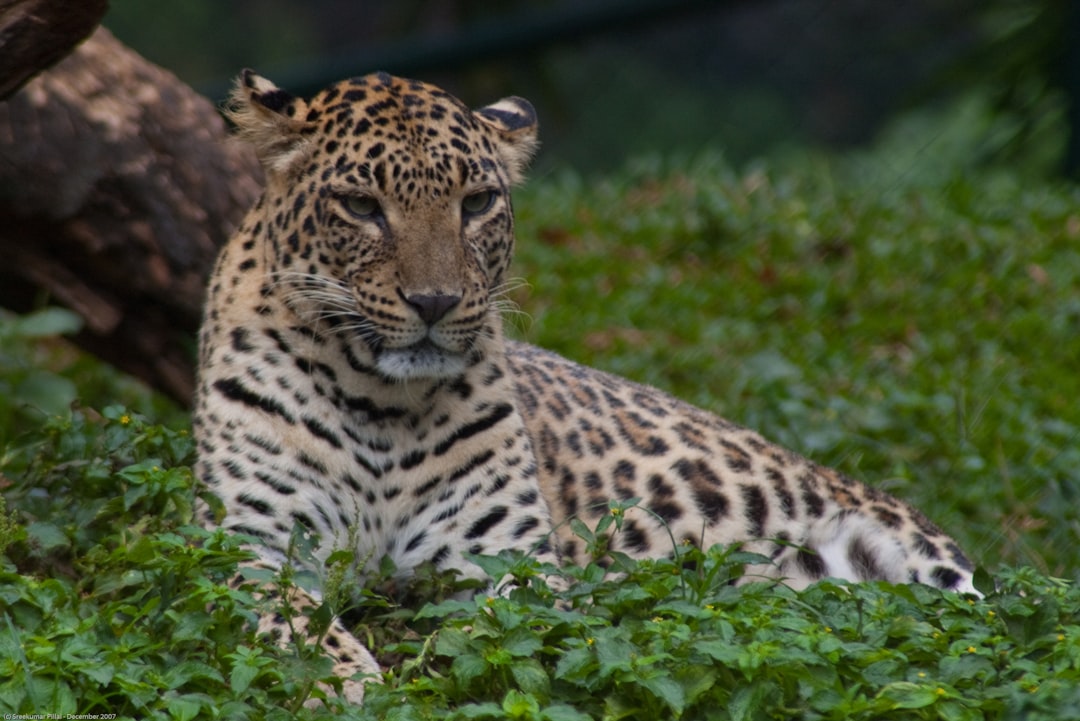
Image by Sreekumar Pillai on Unsplash
What's happening?
- Junnar (Pune district) has ~7 leopards per 100 sq km, which is similar to the density of leopards in the Tadoba tiger reserve! The region has seen 22 human deaths, 42 injuries, 16,000+ cattle killed since 2021.
- In Junnar, the roots of this growing conflict lie two decades back when an irrigation project allowed the cultivation of sugarcane in the region. Sugarcane becomes a tall grass within two-three months of planting that can easily hide a whole leopard family.
- Maharashtra is now piloting the GonaCon-B contraceptive vaccine on 5 leopards, becoming the first state in India to try this.
Why should you care?
- Human-wildlife conflict is now a daily reality that affects the livelihoods and safety of people in the region.
- The root cause for this is shrinking forest cover in the western hilly belt, which historically supported wild prey. Over time, leopards have adapted to this loss of habitat with sugarcane fields providing them a surrogate habitat that offers year-round dense cover and access to easy prey in the form of cattle and goats.
- While this is happening we still continue to encroach forests — for roads, mines and farms. So the question we must think about is if we destroy forests, where do we expect these animals to go?